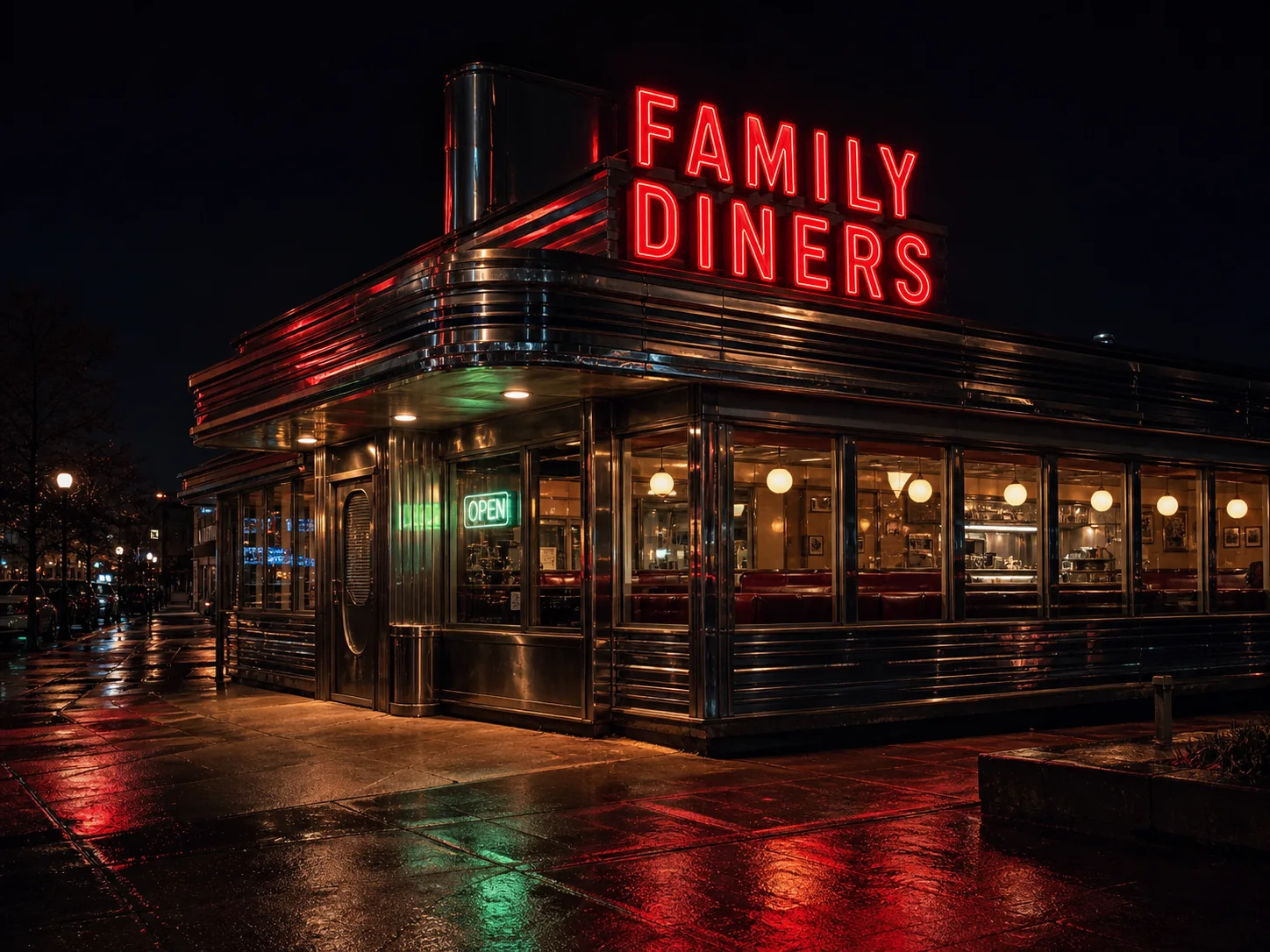
The bottom line for operators & brands
Make your
brand
a regular.
Family diners are high-frequency, community-centered restaurants—and a practical channel for emerging brands. Learn where your product fits, what operators need, and how to run a focused first pilot.
Everyday tables. Real operator proof.
Featured brand
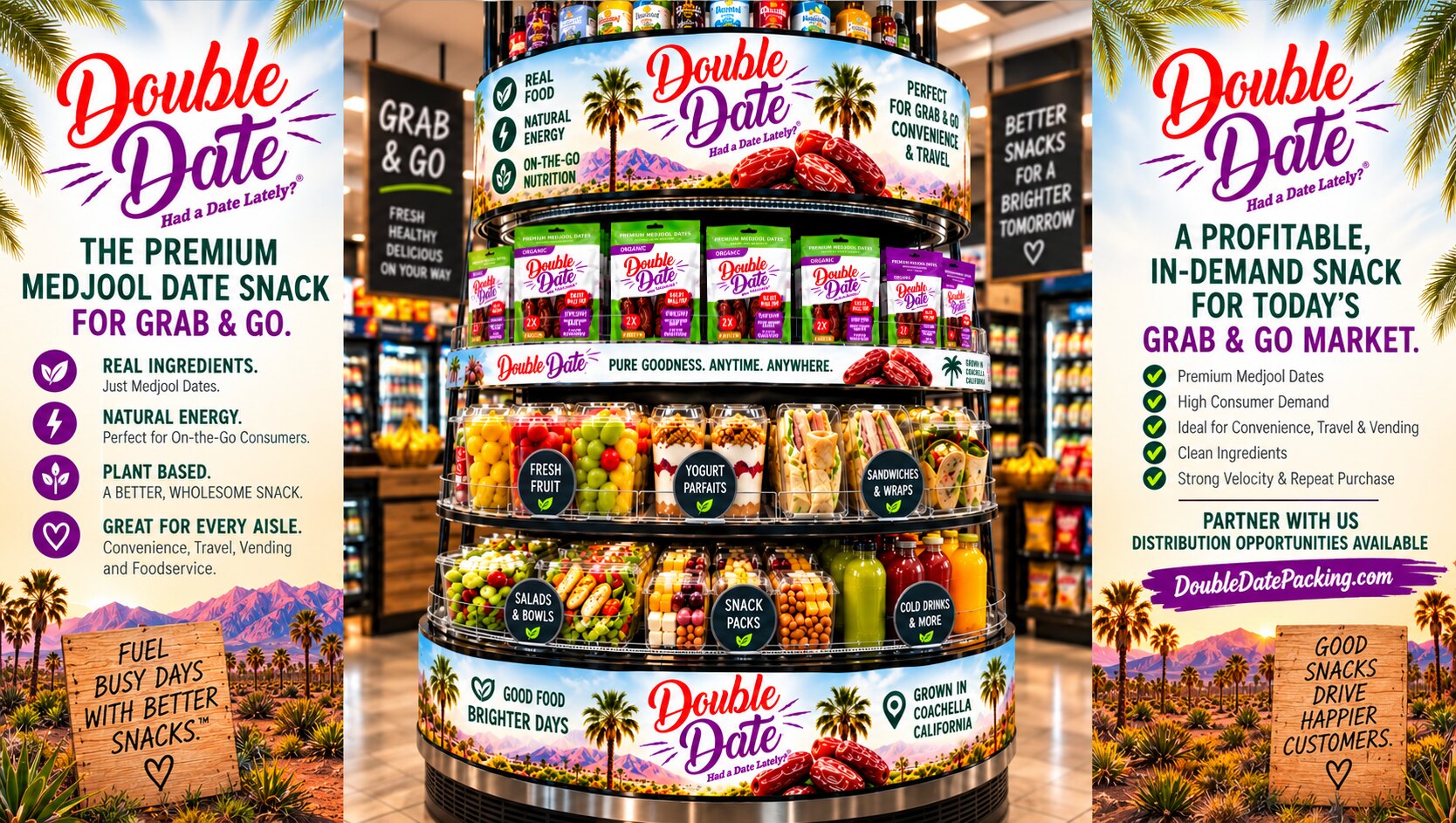
Double Date® Medjool Dates
Premium Medjool dates grown in Coachella, California, now featured across FamilyDiners.com. Retailers and distributors can request wholesale information.

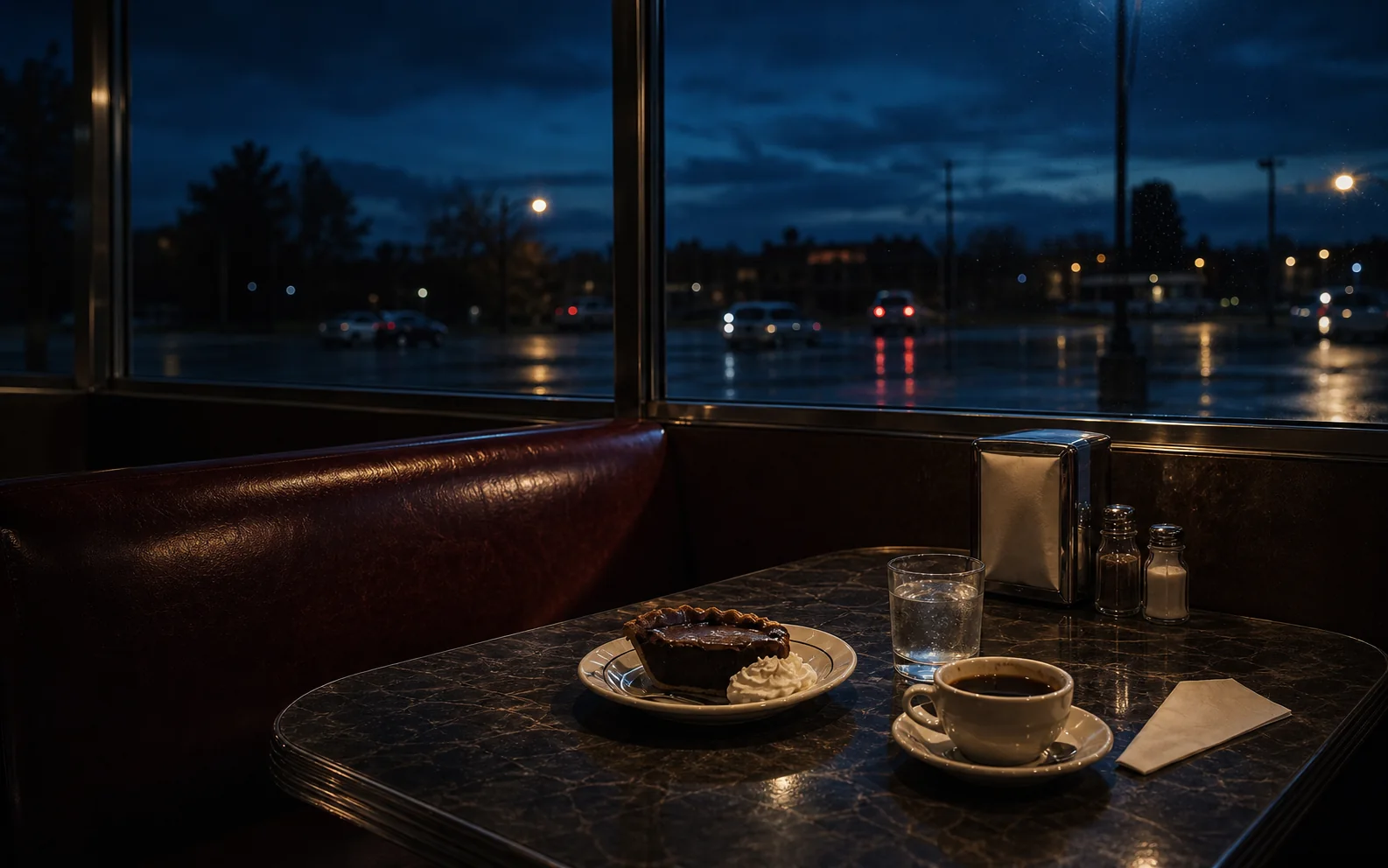
A channel in plain sight
Family diners are not a novelty channel.
They are an everyday one.
The same neighborhoods, the same booths, the same regulars. That repetition gives emerging brands a practical place to earn operator proof.
Our channels
Know the rhythm
before you pitch.
Family diners are casual, full-service restaurants known for approachable menus, all-day dining, and strong repeat customer bases within local communities. Read the channel through these four frames before any pitch.
- 01
Ingredient integration
Your product becomes part of an existing dish — a sauce, a topping, a bread, a pour. Lowest friction; the menu doesn't change, only the spec sheet.
- 02
Co-branded menu items
A new dish or drink built around your brand and named for it. Higher visibility for the brand, higher menu-engineering lift for the operator.
- 03
Grab-and-go prepared meals
Single-serve prepared meals merchandised at counter or cooler — a take-home extension of the dine-in menu.
- 04
Desserts & beverages
Bottled, packaged, or single-serve desserts and beverages slotted into impulse zones — a low-commit pilot with clear sell-through data.
- 05
Counter & register placement
Branded product visible at the point of payment — the most direct route to incremental basket without altering the kitchen.
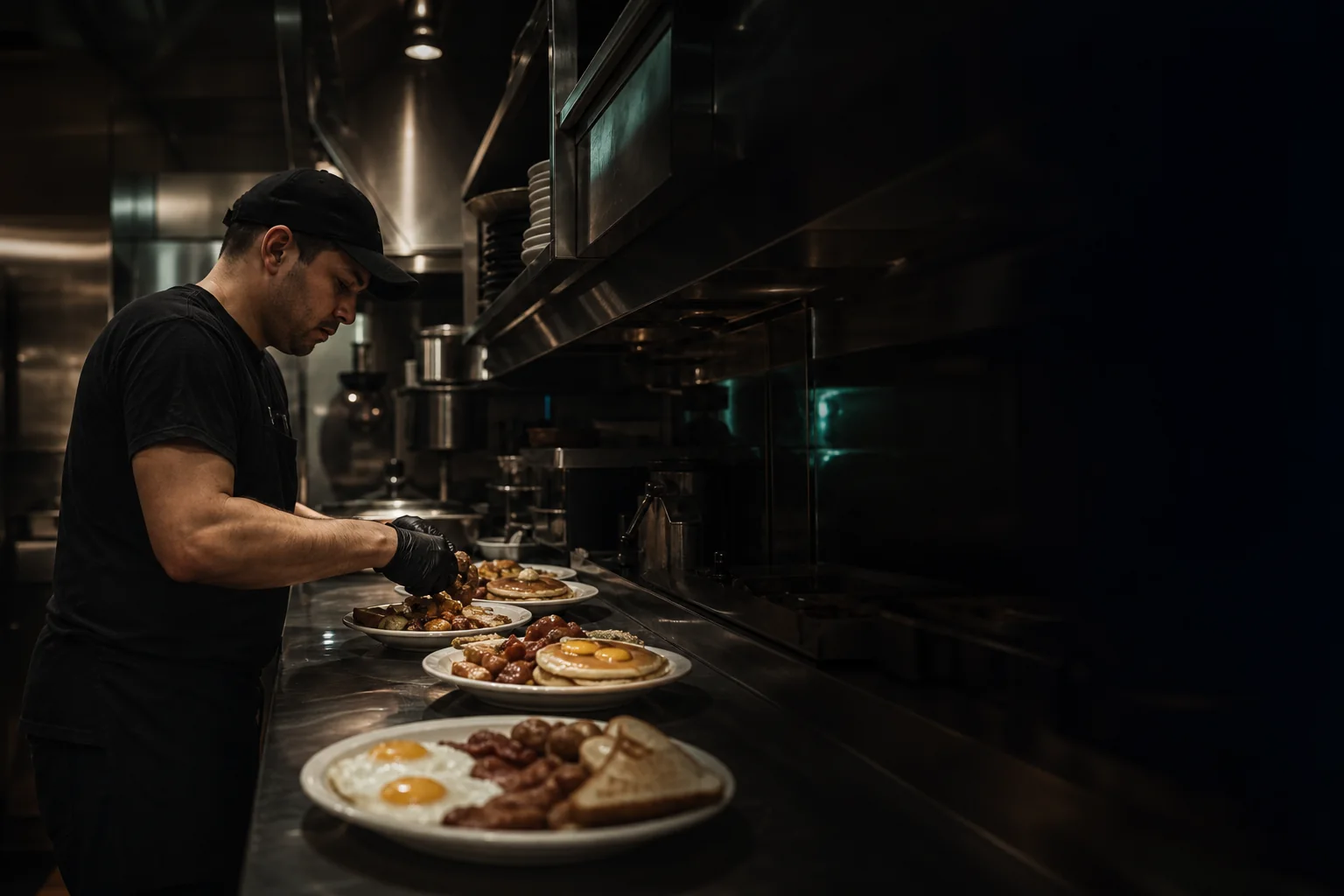
Operator priorities
Here’s what matters
at the pass.
A useful pitch makes the operational fit plain. Bring numbers the owner or GM can use before asking them to believe the brand story.
Build for these fiveThe five-step playbook
A pilot that earns
its place on the menu.
A useful, clear path to earning an operator’s confidence—built for family diners, where prep stays practical and the upside stays visible.
- 1
Map your fit
Decide which of the four channel layers your product actually fits — ingredient, counter, cooler, or all three. The pitch follows the fit.
- 2
Profile the diner
Independent operator, small chain, or regional group — the buyer, the menu cycle, and the placement cadence are different in each.
- 3
Bring the operator math
Lead with cost-per-serving, hold-time, prep impact, and a target check-lift — operators read margin, not marketing.
- 4
Pilot in a single location
Place in one location for a defined window. Read repeat-guest reaction first, sell-through second, basket-lift third.
- 5
Roll on operator proof
Use the pilot's operator-side proof — fewer 86s, faster prep, stronger checks — to expand to neighboring locations within the same group.
Why it works
The booth is where
loyalty is built.
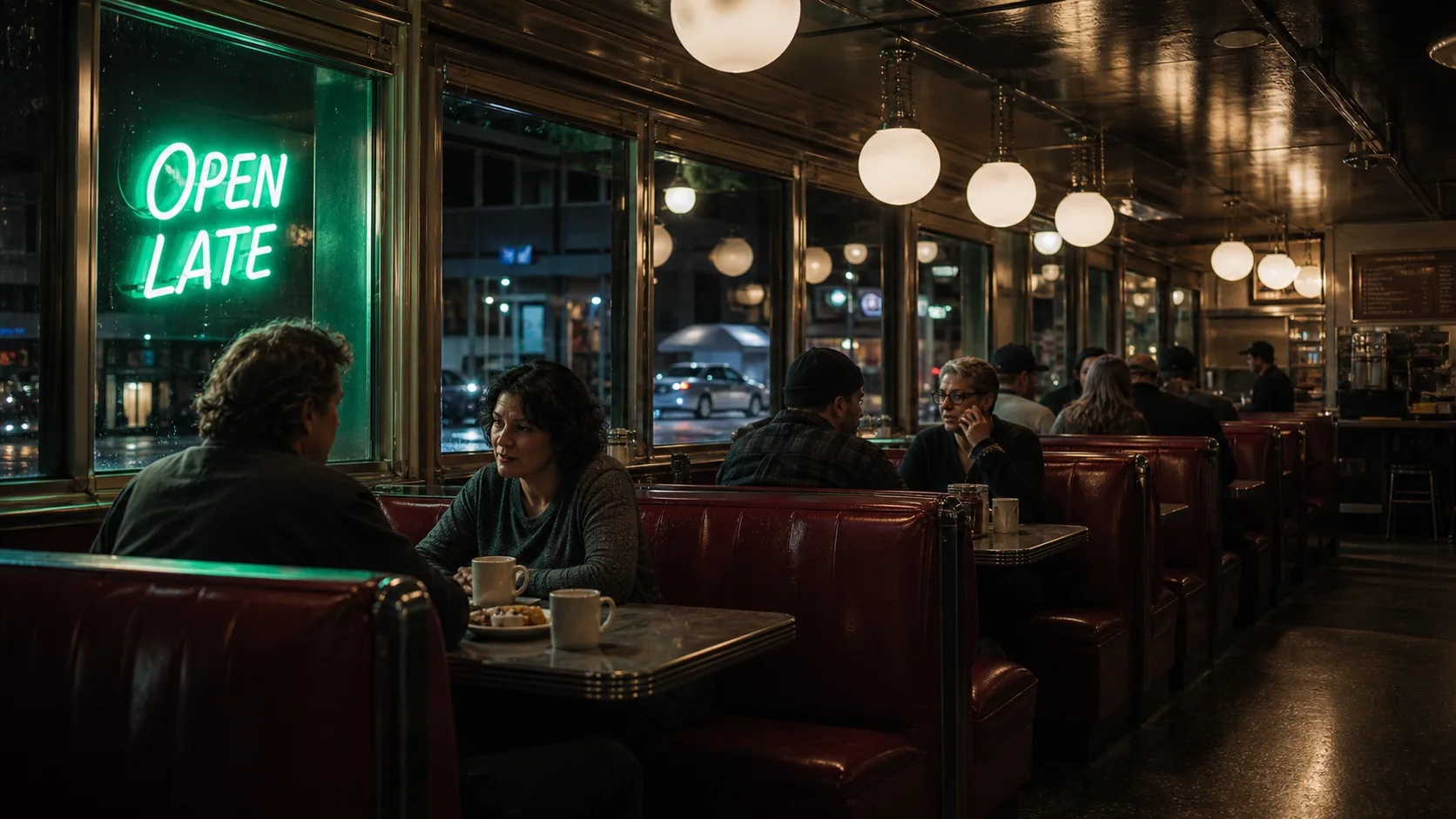
Night after night, the same neighborhoods, the same faces, the same comfort-led menus. A family diner gives a new product more than a trial—it gives the brand repetition.
- High frequency
- Guests come back. A lot.
- Community trust
- Diners are neighborhood anchors.
- Everyday occasions
- Breakfast to late night.
- Operator partnership
- Built together. Grown together.
Keep exploring
Across the network
Ready when you are
Bring us a product.
Leave with a pilot plan.
Send your product format, target geography, current foodservice traction, and which of the four channel layers fits best. The team returns an operator-conversation outline, a pilot template, and a sell-through read framework.
Email the team